
Fix It Before I Find It: A Seller's Pre-Listing Reality Check

Every seller believes their house is in great shape. I believe them too — right up until I open the electrical panel.
After ten years of crawling through basements and sticking my head into attics across Indianapolis, I've noticed something: the issues that actually derail a sale are rarely the big, expensive ones everyone braces for, like an aging furnace or a roof that's due. What blindsides sellers — and gets their agent a 9 p.m. phone call — are the small, cheap-to-fix things that quietly say nobody has maintained this house in years. If you're listing soon, here's what I'd handle first, before a buyer's inspector gets there ahead of you.
The electrical panel is not a mystery box
Double-tapped breakers — two wires jammed under one lug meant for one — show up in a surprising number of homes, usually courtesy of a past DIYer who ran out of slots. It's a five-minute fix for an electrician and a guaranteed line item on my report if it isn't addressed first. While you're in there, test every GFCI outlet in the kitchen, bathrooms, garage, and outdoors. A dead GFCI doesn't just fail a test; it tells a buyer nobody has checked this house's safety features since the last administration.
Your water heater has opinions, and I will hear them
The TPR valve's discharge pipe should run down and out, not be capped, kinked, or simply missing. If it ends within six inches of the floor and nothing is blocking it, you're fine. If it dead-ends into a wall or isn't there at all, that's an easy fix — and one I flag constantly, mostly because builders and handymen alike seem to treat it as optional trim rather than a safety device.
Handrails aren't a style choice
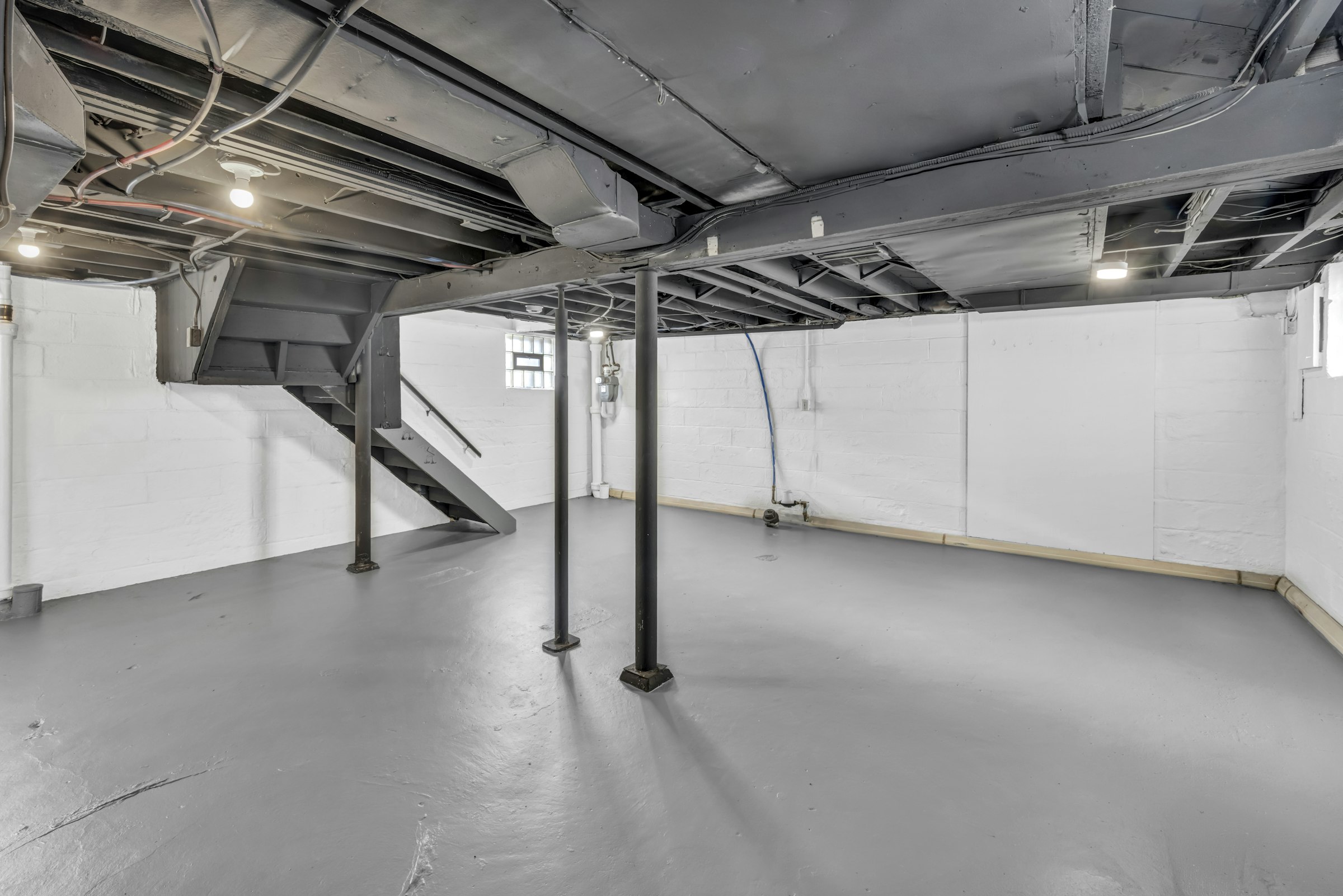
Any staircase with four or more steps needs a graspable rail, inside or out. I find missing or wobbly rails on back porches and basement stairs all the time, usually in houses where everyone living there has long since memorized which step creaks and leans accordingly. A buyer won't have that muscle memory, and neither will their inspector's clipboard.
Water should leave your house, not visit it
Walk the perimeter after it rains, or just picture where your downspouts actually dump. Extensions that end two feet from the foundation are basically decorative. Grading that slopes toward the house instead of away from it is the single most common reason I find basement moisture, and fixing it costs a fraction of what ‘wet basement’ does to a buyer's confidence at the negotiating table.
Attic fans should exhaust outside, not just… into the attic
I find bathroom exhaust fans dumping straight into the attic often enough that I assume someone, somewhere, is teaching it as an acceptable shortcut. It isn't. Moist air pumped into an attic is a slow-motion mold and rot problem, and it's an easy one for me to catch with a flashlight and, frankly, a sniff.
Detectors have a shelf life
Smoke and CO detectors older than ten years should be replaced regardless of whether the light still blinks. It's a cheap fix that removes an entire category of findings from my report, and it quietly tells a buyer that someone actually took care of this place.
None of this requires a contractor crew or a weekend you don't have. Most of it is an afternoon with a screwdriver, a flashlight, and a little ‘huh, didn't know that’ energy. Fix what you can, and whatever's left won't surprise anyone once the buyer's inspector shows up.
If you'd rather know exactly what I'd find before a buyer's inspector does, a pre-listing inspection from IH Inspections will tell you — no pressure, no obligation, just a heads-up on your own schedule. Reach out whenever you're ready to get a look.

Comments