
What First-Time Buyers Get Wrong Before I Even Ring the Doorbell

By the time I show up with a flashlight, a moisture meter, and twenty years of mild distrust toward drywall, most first-time buyers have already made their biggest mistakes of the whole transaction. None of them involve anything I can fix with a caulk gun. Here's where I see people go sideways before the ink is even dry.
Waiving the inspection to look competitive
In a hot market, buyers get told that waiving the inspection contingency makes their offer stand out. Sometimes it does. It also means nobody who knows what a cracked heat exchanger looks like ever sets foot in the house before you own it. I understand the pressure - I've just never met a seller who waived their own inspection before they bought it. If you're going to compete on something, compete on price or closing timeline. Don't compete on "whoever finds out about the foundation last."
Treating the inspection report like a report card
No house passes or fails. I've inspected million-dollar new builds with more issues than ninety-year-old bungalows. The report is a snapshot of a used product on a specific Tuesday, not a verdict on whether you're allowed to buy it. If a report ever came back with zero findings, I'd assume I inspected the wrong address. Expect a list. Read it for the handful of items that are expensive or safety-related, and don't panic over the rest.
Budgeting for the mortgage and forgetting the house
A lot of first-time buyers run the numbers down to the exact monthly payment and stop there. The house itself does not care about your spreadsheet. Set aside roughly one percent of the home's value every year for maintenance and repairs, and ask - before you're under contract - how old the roof, furnace, AC, water heater, and electrical panel actually are. Those aren't optional accessories. They fail on their own schedule, and that schedule doesn't check your closing date.
Falling for fresh paint and new caulk
Fresh paint is wonderful. It's also the easiest, cheapest way to make a problem invisible for about six months. A perfectly straight bead of brand-new caulk around a tub, or one suspiciously smooth patch of drywall in an otherwise dated room, is not decorating - it's a clue. I'm not saying every seller who repainted is hiding a flood. I am saying that "it looks so clean and updated" is doing a lot of emotional work in a lot of offers I see, and a clue is still worth a second look.
Not asking the boring questions
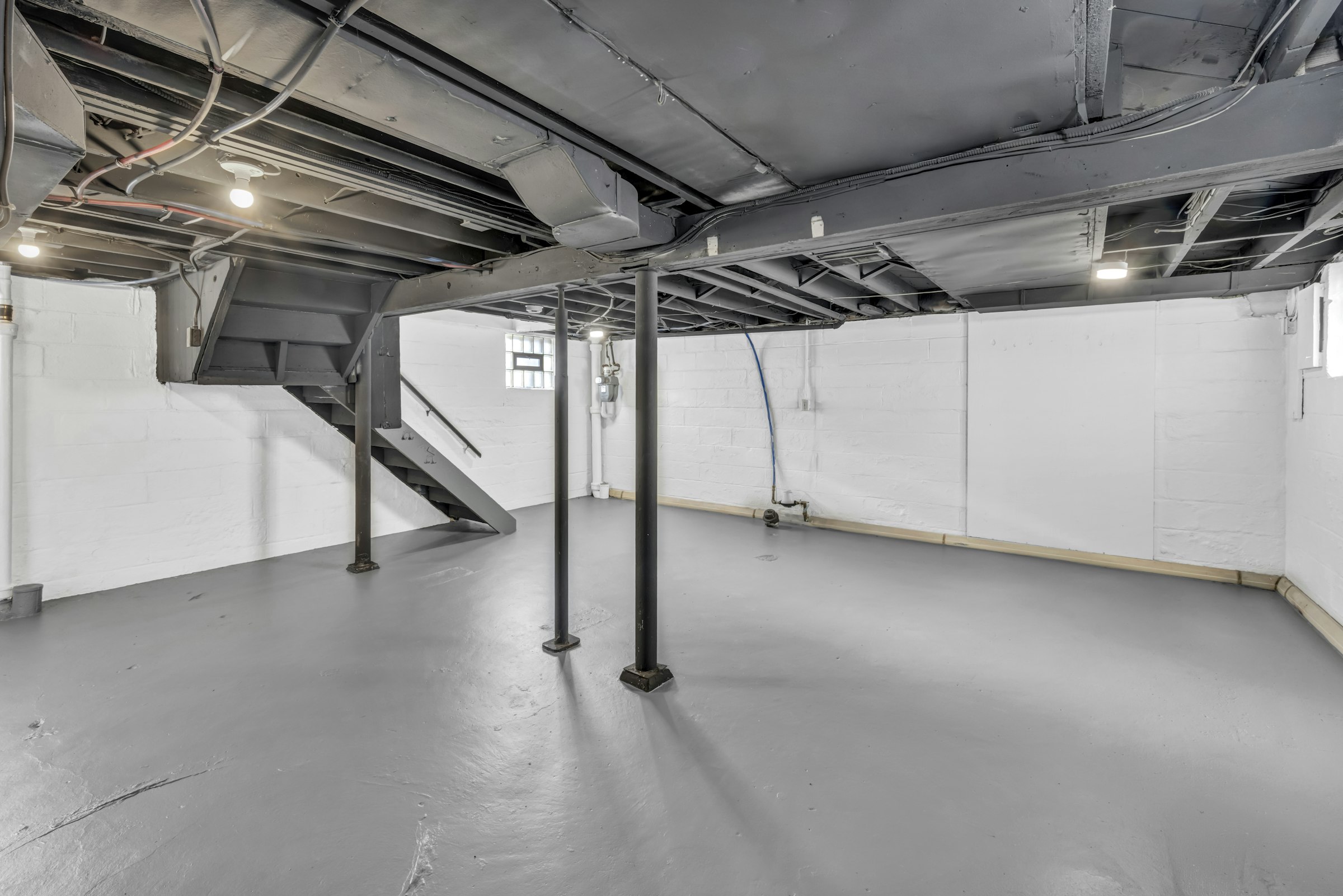
"How old is the roof" is not a glamorous question, but it's the one that saves you from a $12,000 surprise in year three. Ask about permits for any addition or finished basement. Ask whether the sump pump has ever run. Ask what the sellers wish they'd known. People will usually tell you more than they think they're telling you.
None of this is meant to scare you off buying a house - it's meant to get you into one with your eyes open instead of your fingers crossed. That's the whole job, honestly: not telling you whether to buy the house, but making sure you know exactly what you're getting into.
If you're under contract on a home in the Indianapolis area - or about to be - we'd be glad to take a look before you sign anything you can't take back. No pressure, no scare tactics, just a straight answer about what you're getting into. Give IH Inspections a call or book online whenever you're ready.

Comments