
Your House Has Secrets: The Strangest Things We Find Hiding in Walls, Attics, and Crawl Spaces

Every home inspector develops a sixth sense for the exact moment a seller's face changes — usually right around when you're on your knees in the crawl space with a flashlight, and you go quiet for a little too long. After enough years poking around Indianapolis attics, basements, and everything in between, you learn that houses keep secrets, and most of them were left by someone who was absolutely certain nobody would ever look.
Here's a tour through some of the stranger things inspectors actually find, what they mean, and why “it's been fine for years” is not a home inspection credential.
The Electrical Panel That Tells a Story
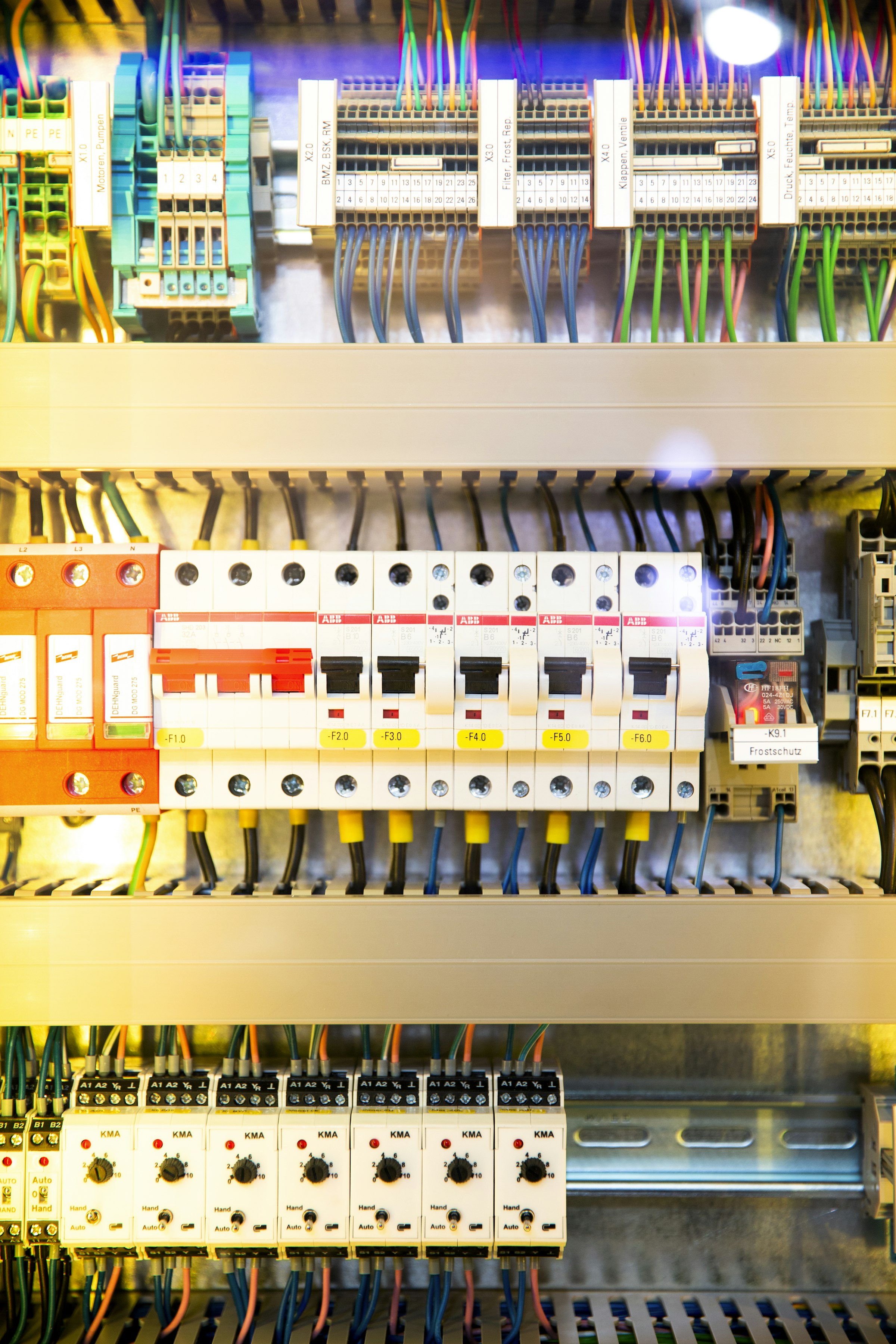
Open enough breaker panels and you start reading them like tree rings. Breakers from three different manufacturers crammed into slots they were never rated for. A “double tap” — two wires jammed under one screw because somebody ran out of room and didn't want to buy a bigger panel. Once, memorably, foil wrapped around a blown fuse instead of replacing it, which defeats the entire purpose of a fuse and turns the house wiring itself into the fuse.
None of this means the house is doomed. It means an electrician needs a look before it becomes someone's insurance claim. A panel is not the place for creative problem-solving, and “it's worked so far” describes every house fire right up until it doesn't.
Plumbing, Improvised
PVC glued directly to copper with no transition fitting. A garden hose pressed into permanent service as a water line to an ice maker. A sump pump plugged into a regular outlet with an extension cord running across a damp floor, because running proper wiring felt like too much trouble for a problem that only comes up “maybe twice a year.”
These fixes usually work — for a while — which is exactly why they're dangerous. They tend to fail quietly, often while you're out of town.
Structural “Fixes” That Weren't
The classic: a support post resting on a stack of loose bricks instead of a poured footing, holding up a beam that's holding up, well, your house. Or a wall removed for an “open concept” kitchen with no header installed to carry the load it used to carry, patched over with drywall so smooth you'd never guess. Indianapolis has plenty of housing stock old enough that someone, at some point, took a sledgehammer to something structural with a lot more confidence than training.
Evidence the Critters Left Behind
Attics tell you who's been living there even after they've moved out. Squirrel highways worn through the insulation. Chew marks on wiring, which is a genuine fire risk and not just a nuisance. The occasional raccoon latrine, which is exactly as unpleasant as it sounds and worth flagging for health reasons, not just cleanup.
The Suspiciously Fresh Paint
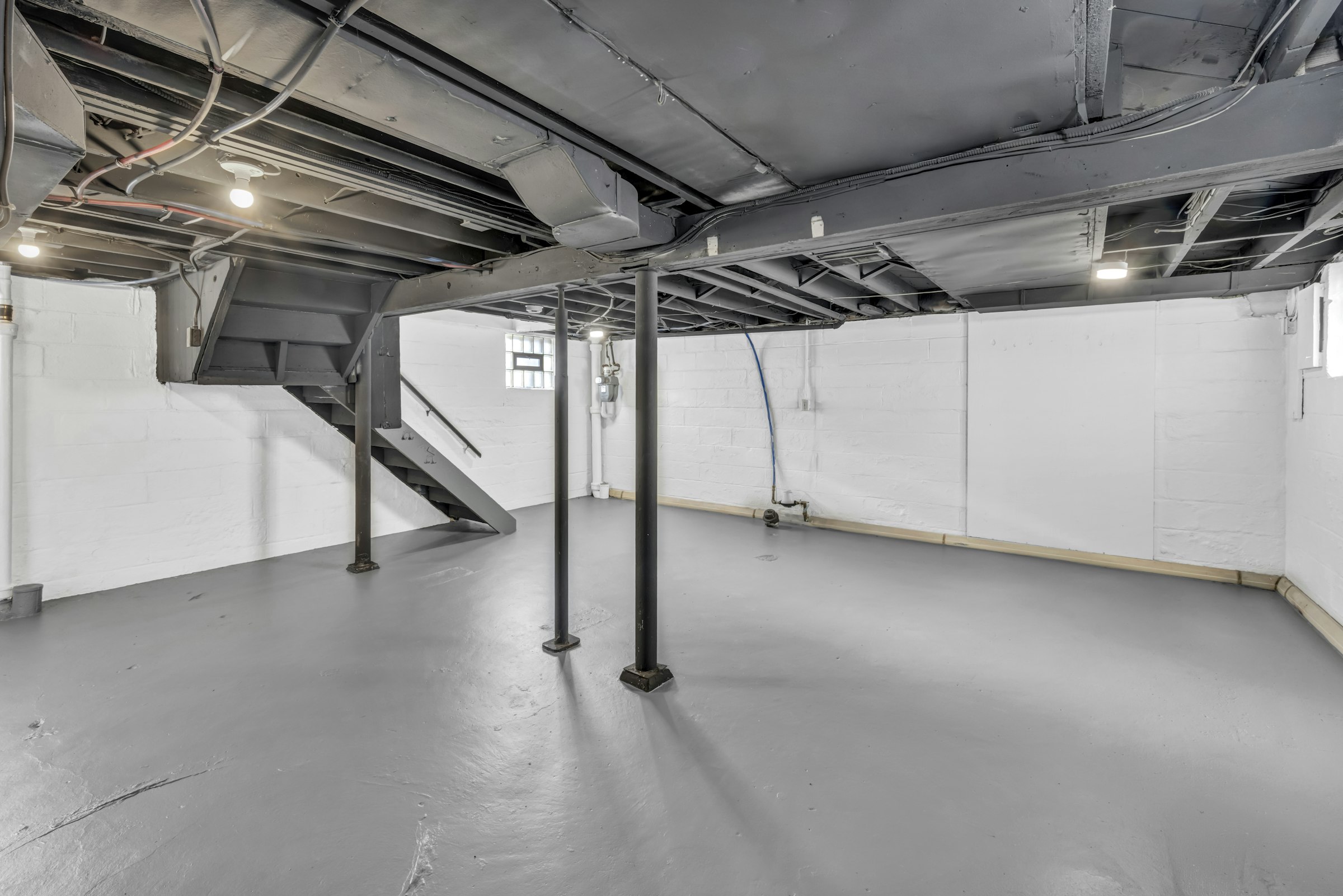
One clean, oddly isolated patch of basement wall painted a shade newer than everything around it is one of the most reliable “something happened here” signals in the business. Sometimes it's nothing. Often it's a water stain somebody didn't want to explain. New carpet laid over a section of subfloor that feels a little soft underfoot tends to tell a similar story.
None of This Is a Reason to Panic
Every item on this list is fixable, and almost always cheaper to deal with before closing than after. The point of a home inspection isn't to kill your deal — it's to make sure you know exactly what you're buying instead of finding out the hard way during your first winter in the house.
If you're buying, selling, or just curious what your own walls might be hiding, IH Inspections would be glad to take a look. No lectures, no scare tactics — just a flashlight, a clipboard, and a straight answer. Reach out whenever you're ready to book an inspection.

Comments